
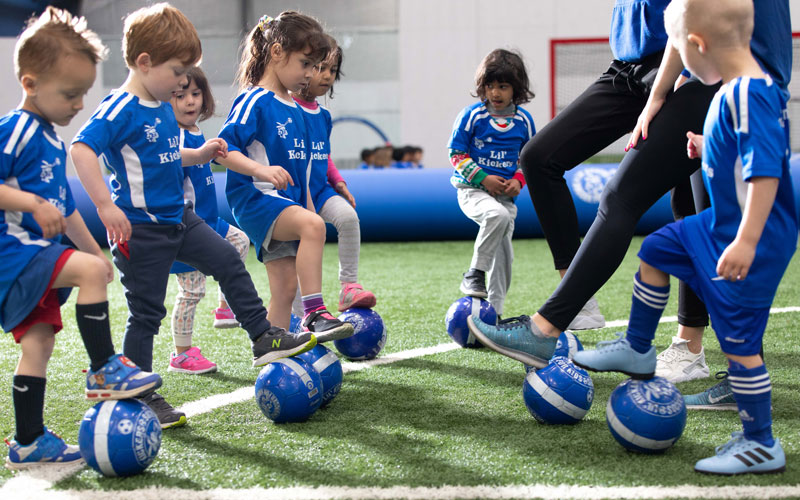
In a previous column, we discussed how to improve motor skills. Now, let’s examine the types of motor skills. At the center of the Lil’ Kickers soccer program are the two fundamental categories of gross motor skills and fine motor skills. These are intertwined in every aspect of our curriculum.
More than just learning to kick a ball, we aim to provide the necessary environment for learning these core developmental skills . . . fueled by fun!
Gross motor skills and fine motor skills are two sides of the same developmental coin. Gross motor movements (large body, big muscles) lay the groundwork for your child to move, explore and engage with the world around them. Fine motor movements (smaller muscles, precise control) allow your child to manipulate objects, self‑feed, play and, ultimately, build their independence. Our role as parents and caregivers is to fully support both types of motor skills and ensure your child is progressing in their movements, learning, explorations and growth.
Both sides are essential for meeting developmental milestones and supporting the overall development of your kiddo. Let’s get into it!
Gross Motor Skills
Gross motor skills involve using the larger muscle groups of the body: the arms, legs, trunk and neck. They allow a baby to lift their head, push up on their arms, roll over, crawl, sit, stand and eventually walk. Because these large muscle movements underpin mobility, balance, posture and interaction with the environment, they’re foundational to later development. The ability to sit without support, for example, frees up the baby’s hands for exploration and fine motor work. Delays in gross motor skill development can affect multiple domains because they hinder a baby’s ability to explore, play and interact.
Fine Motor Skills
Fine motor skills use smaller muscle groups—primarily the hands, fingers and wrists—and involve more precise, controlled movements. These include grasping small toys, bringing hands to midline, transferring objects from one hand to the other, and using a pincer grasp (thumb and forefinger). Fine motor skills are critical for hand‑eye coordination, self‑feeding, manipulating objects, and eventually tasks like drawing, writing, buttoning clothes and many other daily activities.
Why All This Matters
When babies develop both gross and fine motor skills, they gain more than movement—they gain access to their world.
● Achieving developmental milestones: The progression from lifting the head → sitting → crawling → standing → walking is driven by gross motor development. Meanwhile, mastering fine motor tasks, like picking up a toy, follows the baby’s increasing body stability. As such, you need the first to achieve the second.
● Exploring the environment and supporting cognitive growth: As babies move and manipulate objects, they begin to interact with their surroundings, learn cause‑and‑effect, experiment, and build sensory and spatial awareness. For example, reaching for and grasping objects helps them understand “I can make this happen.”
● Building confidence and independence: Gaining physical control empowers babies—they begin to engage, explore, practice, repeat, and when they succeed, they gain self‑esteem.
● Inter‑relation between gross and fine skills: The two types of motor skills support each other. A stronger core and trunk (gross) allow better posture and stability, which in turn enable more precise hand/finger movement (fine).
How We Can Support Motor Skills
Because babies develop through doing—through movement, exploration, play—caregivers play a crucial role in creating opportunities, providing safe environments and offering supportive interactions.
For Gross Motor Support:
● Use tummy time: Placing the baby on their stomach while awake and supervised helps build neck, shoulder and trunk muscles, which are the motor foundations for rolling, crawling and sitting.
● Provide floor play over restricted equipment: Encourage time on the floor rather than in seats or bouncers, so the baby can move freely and practice pushing, shifting weight, reaching and eventually crawling.
● Offer challenge and encouragement: For example, place a toy just out of reach so the baby leans or scoots; hold their hands to help them pull to stand; provide soft furniture or assistance for early standing. These activities support trunk control, balance and coordination.
For Fine Motor Support:
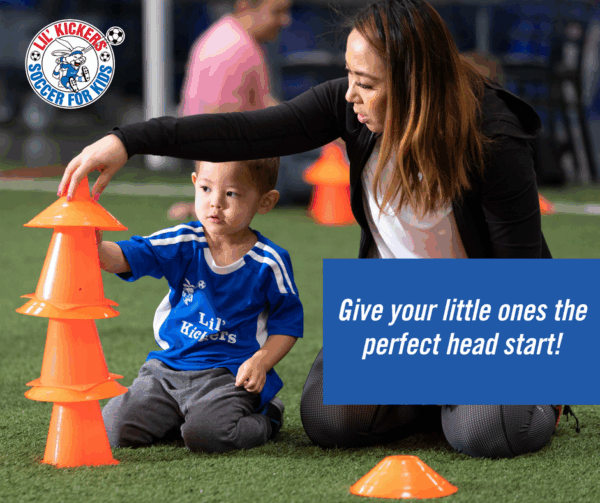
● Provide interesting objects to grasp and explore: Soft rattles, textured toys, objects of different sizes—these stimulate reaching, grasping, transferring between hands.
● Encourage the pincer grasp: Between about 8–10 months many babies begin to pick up small objects with thumb and finger. Provide safe small‑size items (e.g., cereal puffs, small blocks) for them to pick up.
● Integrate play with purpose: Block stacking, simple container games, playing with finger foods, drawing with chunky crayons—all help refine coordination and dexterity.
Working with your youngster to develop these skills early can lead to them being able to complete much more complex actions, increased confidence to undertake challenges, and a lifetime of learning and exploration.