

Return trips to Elkmont—a small slice of the massive Great Smoky Mountains National Park—continue to prove that the area has much more than can be seen in a single day.
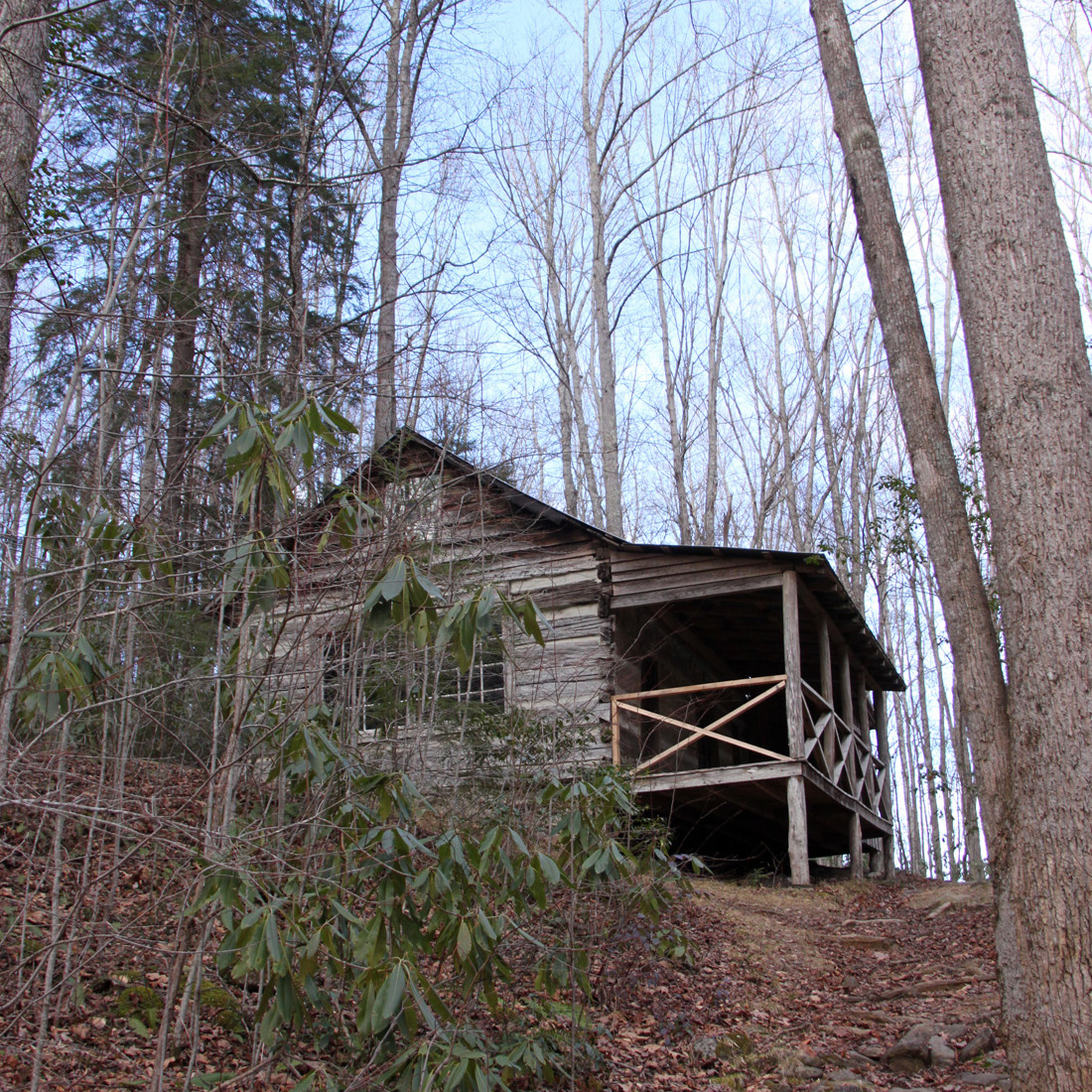
Among the many attractions, landmarks and photo opportunities scattered throughout the area, one of Elkmont’s unique treasures sits quietly and mysteriously off the beaten path, situated upon the wooded hills above Jakes Creek.
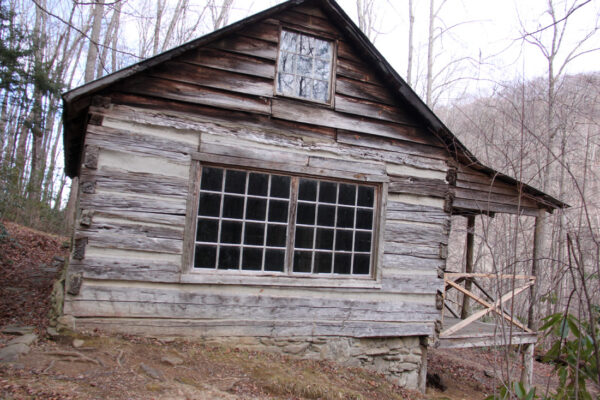
Most visitors won’t stumble upon the Avent Cabin by accident, but for those who know where to go, it offers a special chance to step into a preserved piece of Smoky Mountain history.
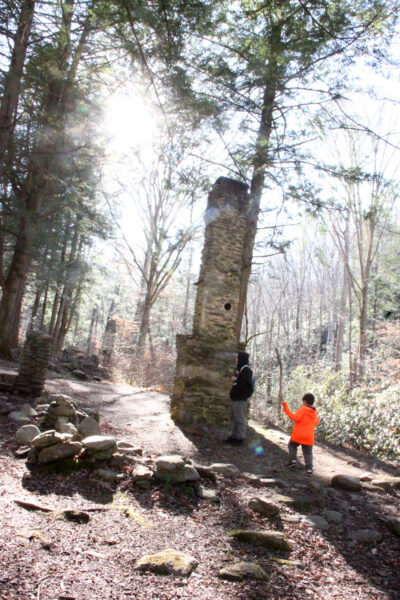
Elkmont, home to dozens of trails, historic structures, campsites and mountain streams, holds plenty of secrets for those willing to wander slightly beyond the marked paths. While now part of national park lands, there was a time when families, vacationers and artists called these mountains home.
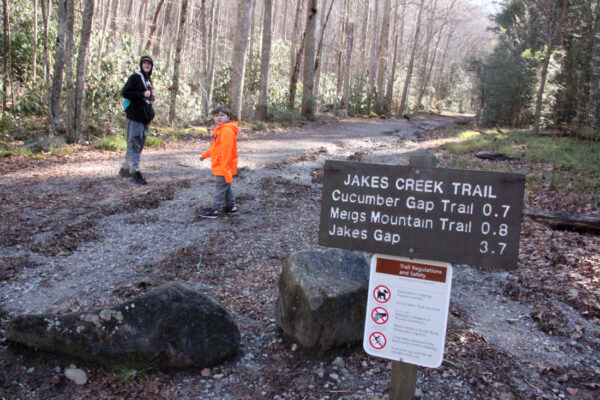
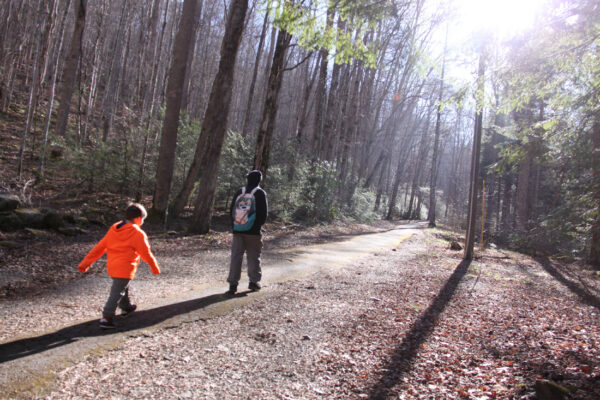
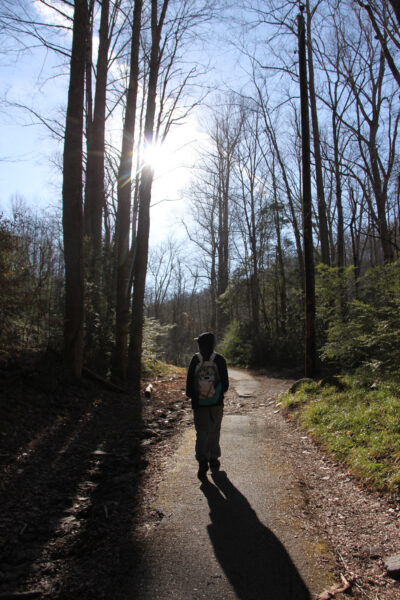
Explorers can access one of the popular hiking routes, the Jakes Gap Trail, at a parking area near the former Elkmont resort village.
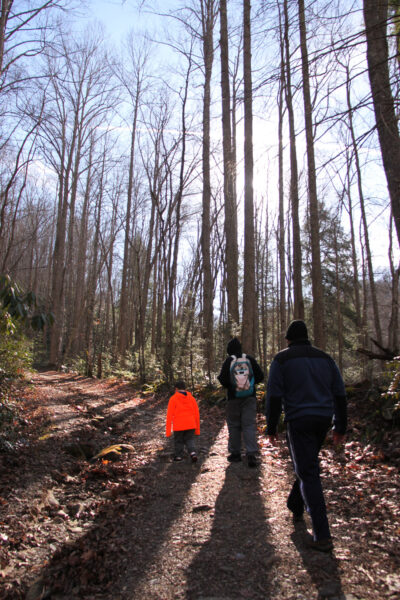
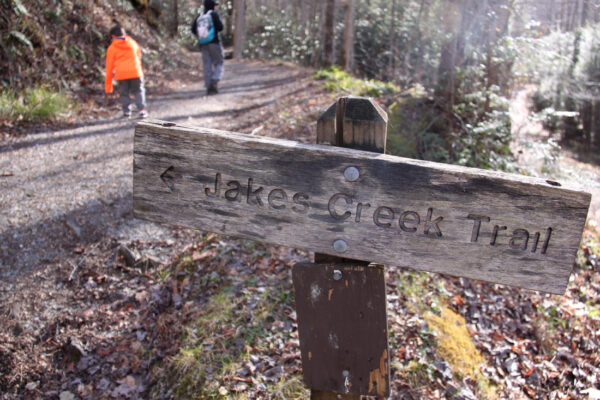
Those walking the trail, after roughly a mile from the parking area—and after passing by three different forks in the trail—may see a historic home-place structure in the distance perched on a facing hillside on the opposite side of the creek valley, if they happen to look over to the right through the thick forest.
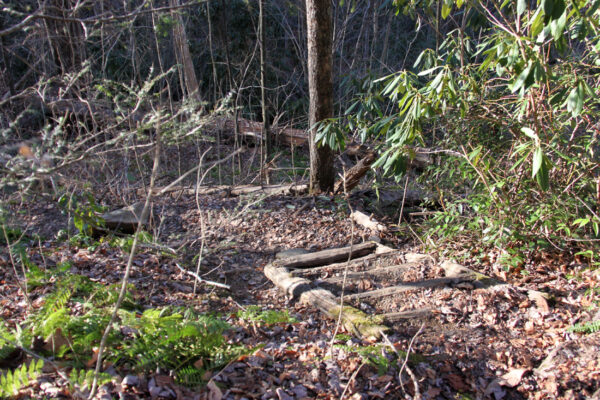
An unmarked path, beginning with a set of five steps, sets off down the hill—careful on that last step! Taking this path will lead them to the Avent Cabin.
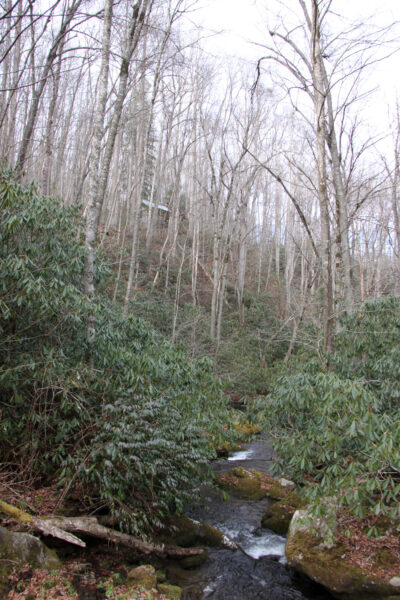
At first glance, the cabin looks deceptively far away, requiring a descent down one slope and a climb up another. The route is well traveled, though, and not especially complex to navigate for most hikers comfortable with uneven terrain, so the trip goes smoothly.
Photos by Sarah Mayo / The Murfreesboro Pulse
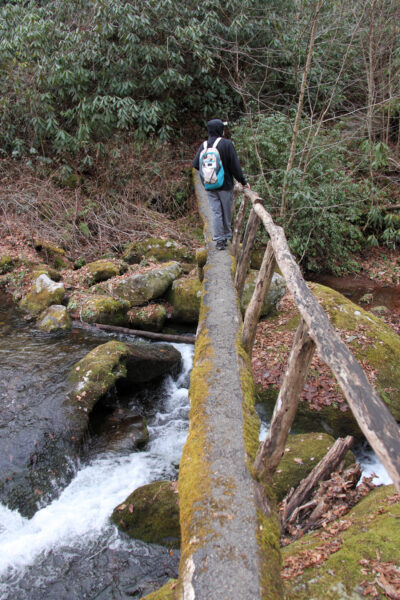
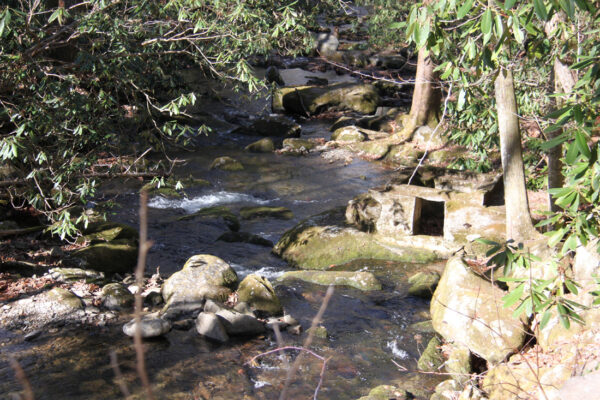
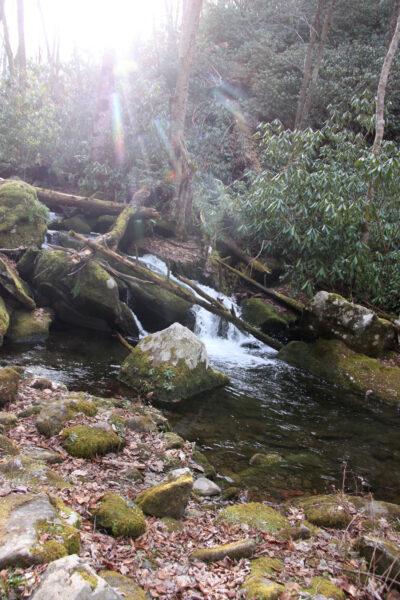
At the bottom of the hill, a narrow log footbridge with an attached handrail spans the creek, stretching probably 50 or 60 feet long, providing those who wish to venture up to the cabin a crossing above the rushing, rocky Jakes Creek. After cautiously crossing this, head up the hill to the old wooden home, known as the Avent Cabin, where a sense of quiet isolation sets in.
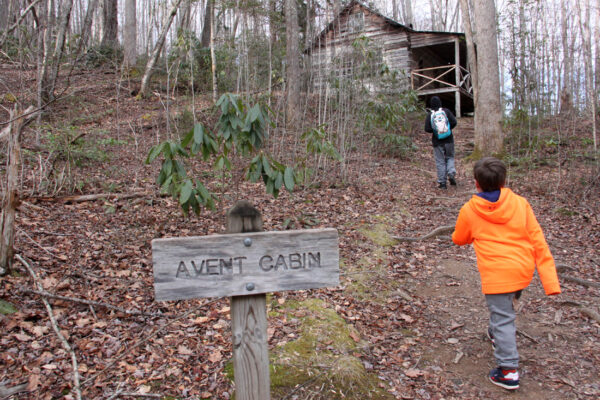
Standing on the front porch of the home, visitors can look down at the flowing creek below and imagine the folks who lived in this secluded place long ago.
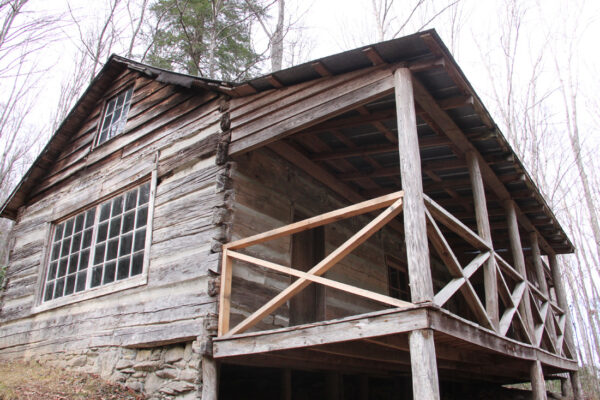
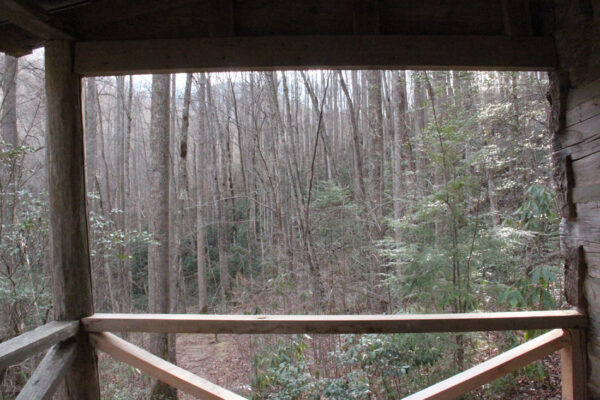
The cabin served as the summer painting studio of Mayna Treanor Avent (1868–1959), a celebrated, Nashville-born American painter who helped contribute to early 20th-century Southern art. She studied at the Art Academy of Cincinnati and then at the prestigious Académie Julian in Paris, where she trained alongside artists influenced by European impressionism. After returning to Tennessee, Avent taught painting in Nashville and her oil and watercolor landscapes, stilllifes, portraits and Japanese-inspired woodblock prints were exhibited across the United States.

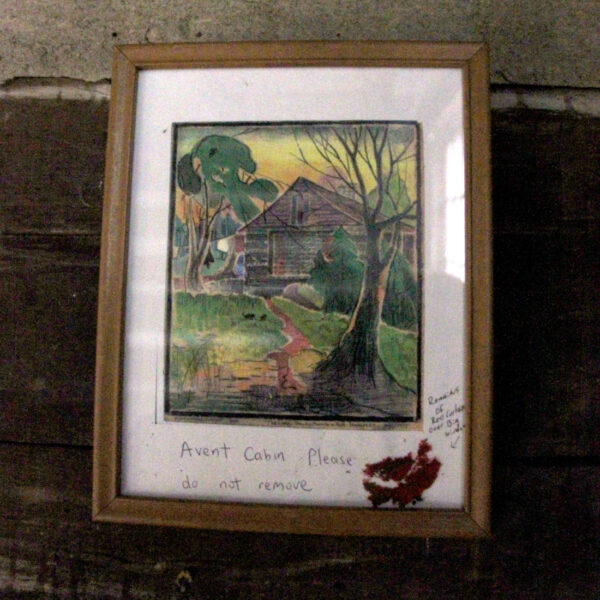
Avent drew much of her inspiration from the landscape of the Great Smoky Mountains, where her studio—now known as the Avent Cabin or the Mayna Treanor Avent Studio—still stands strong near Jake’s Creek within Elkmont, a symbol of the creativity inspired by the ancient mountain environment.
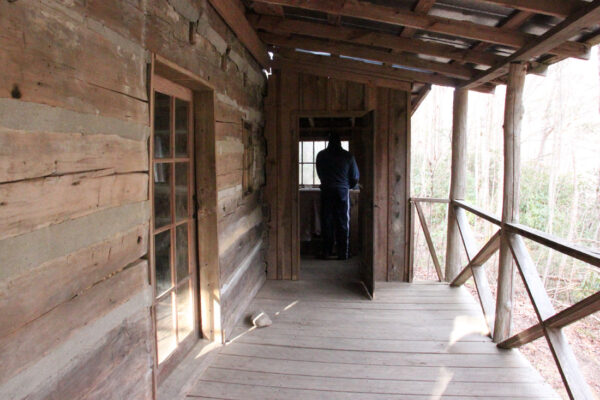
Her husband, Frank Avent, purchased the rustic log cabin in 1918 for $200, and it became the artist’s creative retreat from about 1919 into the late 1930s; presently, it remains a historic site listed on the National Register of Historic Places.
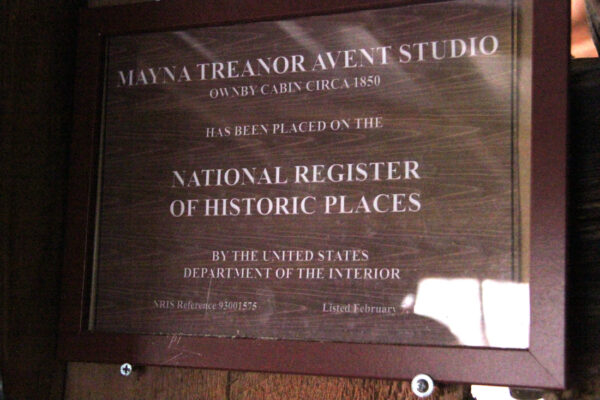
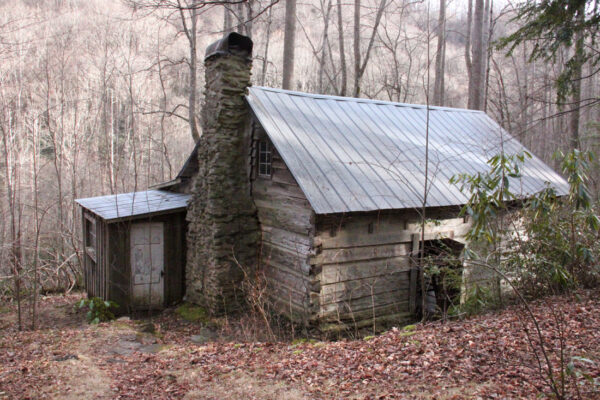
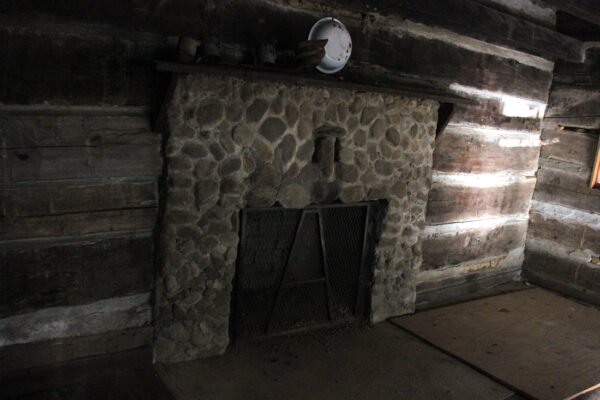
Today, visitors who make the trek can explore the interior of the cabin, entering through the back door.
Numerous logbooks signed by hundreds of guests over the years sit in the side studio room, where Avent once painted.
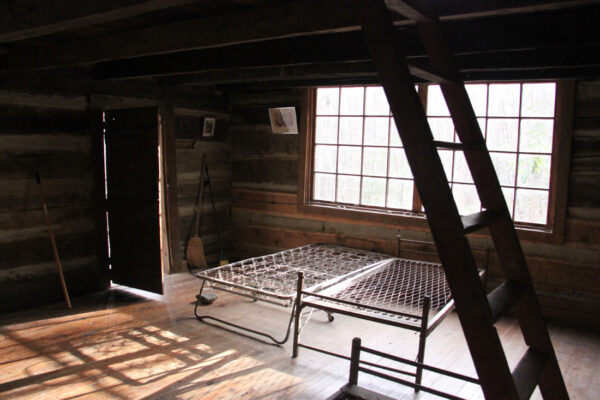
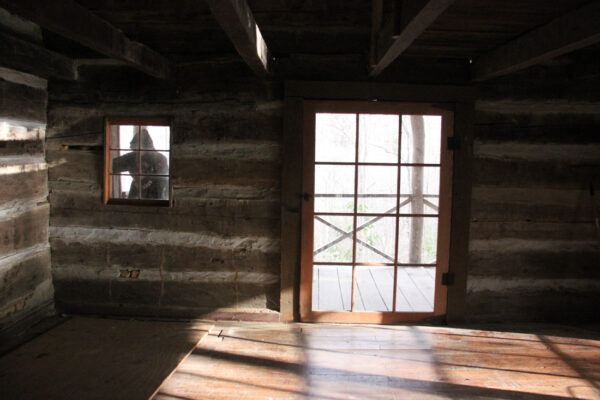
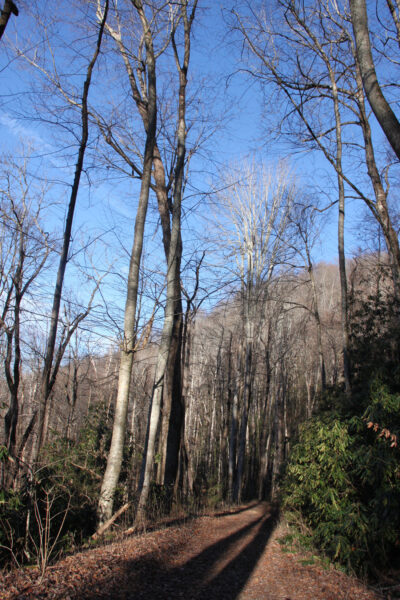
Winter makes a great time to visit Elkmont for those wishing to walk mainly in solitude and avoid crowds (although the wildflowers will come out in the spring).
The Elkmont Campground, open late March through November, remains the largest and busiest campground in Great Smoky Mountains National Park during camping season.
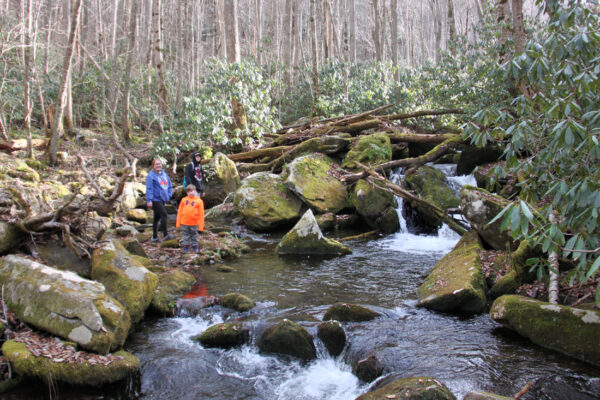
Creek photos by Bracken Mayo
(Note: a parking tag is required to park anywhere within the Great Smoky Mountains National Park; the cost for tags is $5 a day or $15 for a week.)