

The new native garden at Murfree Spring may still be small, but it’s already creating a buzz. The community has had a lot of questions, and the project is sparking a wider conversation about the value of native plants and the role they play in supporting local wildlife. It’s also inspiring many to take part in restoring Tennessee’s natural beauty right at home.
Native plants do more than fill a space with color—they bring life to it. These species have grown alongside Tennessee’s wildlife for thousands of years, creating a perfect match for the pollinators, birds and other creatures that depend on them.
Unlike many non-native ornamentals, these native plants provide the nectar, seeds and shelter that local species need to survive.
They’re also easy on the gardener. Because they’re adapted to our climate and soils, native plants typically require less watering, fewer chemicals and little maintenance once established. Choosing natives means creating a yard that’s both beautiful and beneficial—a place where butterflies, bees and songbirds can thrive.
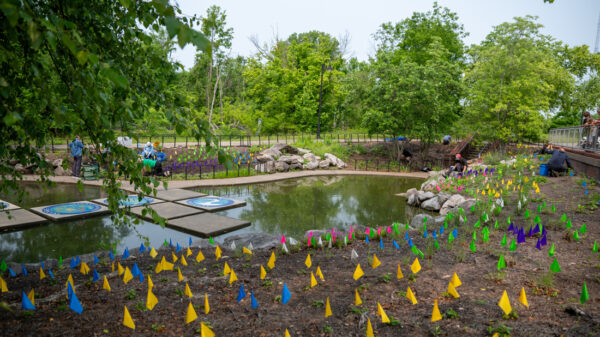
Murfree Springs Photos by Ashleigh Newnes
The planting plan at Murfree Spring includes a rich mix of native species. Each is chosen not only for its beauty and benefit to wildlife, but also so that different plants take the spotlight throughout the year. As one species fades, another begins to bloom, keeping the garden alive with color and activity through every season.
In addition to the planting list and garden layout, here’s a deeper dive into five key species of the garden—plants that will mature into striking, beneficial displays and also work beautifully in your own home landscapes.
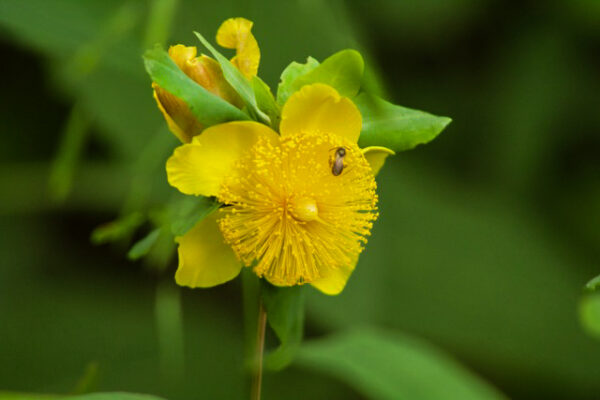
Photo by Andra Prewett
Golden St. John’s Wort (Hypericum frondosum)
Once abundant in Murfreesboro, this small shrub now survives only in scattered natural populations as development has reduced its range. Its golden summer blooms offer only pollen, making them especially attractive to native bees. Blue-green foliage adds interest through the season and shifts to vibrant yellows, oranges and reds in fall. Well-suited to local soils, it’s an easy and resilient choice for sunny or partly shaded spots.
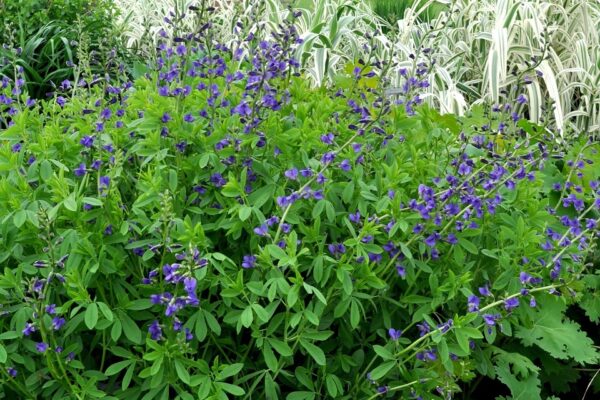
Photo courtesy of C. Reese / University of Tennessee Institute of Agriculture
Blue Wild Indigo (Baptisia australis)
With its striking indigo blooms in spring and soft, attractive foliage, this plant makes a statement in any native garden. Though slow to grow at first, it eventually forms a shrub-like presence, dying back to the ground each winter as an herbaceous perennial. Blue wild indigo is also a valuable host plant, supporting at least 17 caterpillar species in our area. There is already an impressive stand of this plant at the Native Garden at the Wilderness Station at Barfield Crescent Park.
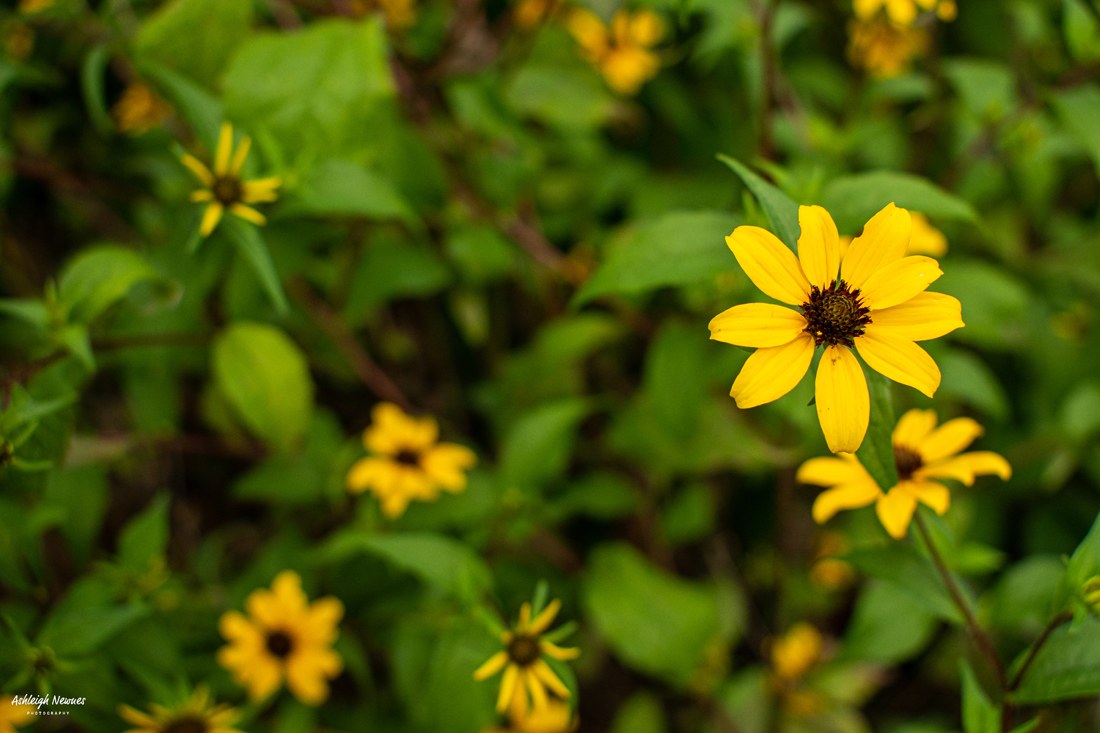
Black-eyed Susan (Rudbeckia hirta) Pictured top, by Ashleigh Newnes
A familiar summer wildflower, black-eyed Susan brightens the landscape with sunny yellow petals surrounding a dark center. It’s easy to grow, attracts pollinators, and readily reseeds itself, spreading color year after year.
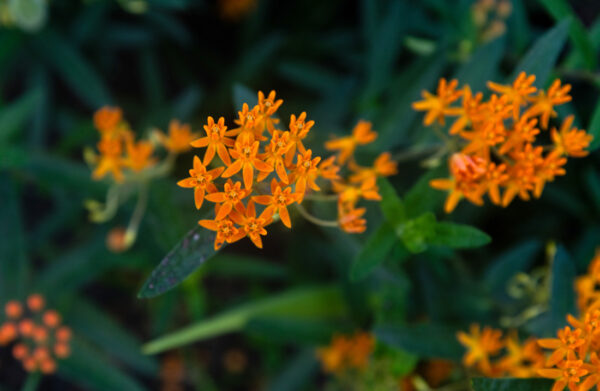
Photo by Ashleigh Newnes
Butterfly Milkweed (Asclepias tuberosa)
Known for its bright orange blooms, butterfly milkweed is a magnet for pollinators and an essential host plant for monarch butterflies. Like other milkweeds, it produces intricate flowers that draw a wide range of beneficial insects. This compact native rarely grows taller than two feet and thrives in full sun and well-drained soil, making it a low-maintenance but vital addition to any garden.
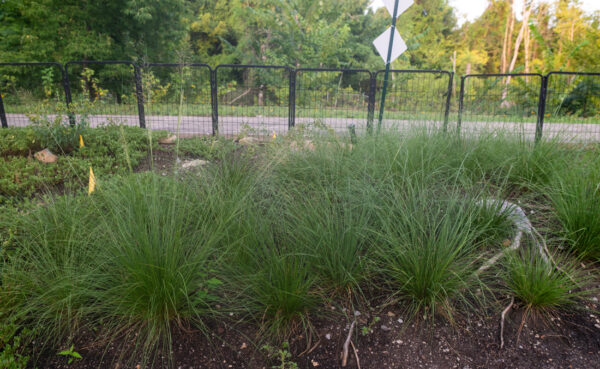
Photo by Ashleigh Newnes
Prairie Dropseed (Sporobolus heterolepis)
This tidy, clump-forming native grass adds texture and movement to the landscape, catching the light and swaying in the breeze. Its fine, arching blades look fantastic paired with butterfly milkweed or other sun-loving perennials and can be planted in masses or as a border. In late summer, airy seed heads rise above the foliage, releasing a delicate fragrance. With its deep root system, prairie dropseed offers ecological benefits—improving soil health, aiding water absorption and storing carbon—while also providing nesting material and cover for wildlife. A low-maintenance alternative to invasive ornamental grasses such as fountain grass (Pennisetum), Miscanthus, or monkey grass (Liriope), it thrives in full sun and dry to medium soils.
All of the native species highlighted here are currently being grown at the Murfreesboro Indigenous Plant Project (MIPP) nursery. Most of the plants will be available for purchase during the Conservation in Action Expo on Saturday, Oct. 11, at the Wilderness Station in Barfield Crescent Park. In addition to the sale, the expo will feature guided walks, educational exhibits and hands-on conservation activities, a perfect opportunity to learn and connect with others who care about native plants and local wildlife.

The native plantings at Murfree Spring—and many other conservation projects—depend on the care and dedication of Outdoor Murfreesboro staff and volunteers. Opportunities range from planting and maintenance to habitat restoration, trash removal, and so much more.
Getting involved is easy; visit outdoormurfreesboro.volunteerlocal.com to learn more and sign up. Whether it’s an hour here and there or a regular commitment, every effort helps protect local ecosystems and keep our green spaces healthy and vibrant.
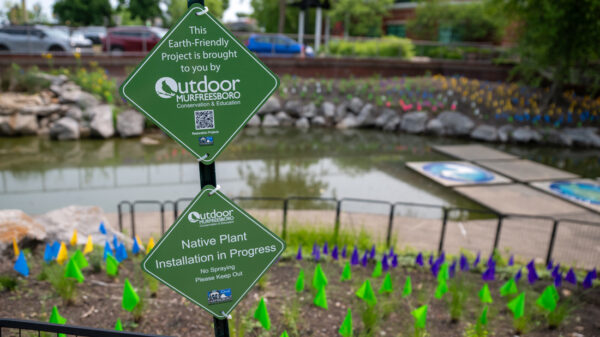
The garden at Murfree Spring is just the beginning of what’s possible when a community values its natural heritage. By planting natives at home, purchasing from local conservation efforts or lending a hand through volunteering, anyone can play a part in restoring the landscapes that make Middle Tennessee special. Small actions, whether tending a butterfly milkweed or picking up litter along a trail, add up to big change. Together, these efforts keep our wild spaces alive and buzzing for generations to come.
More Native Species Planted at Murfree Spring
Species – Common Name
Amsonia tabernaemontana – Eastern Bluestar
Antennaria plantaginafolia – Plantainleaf pussytoes
Asclepias tuberosa – Butterfly Weed
Baptisia australis – Blue false indigo
Blephilia ciliata – Downy Wood Mint
Boutelouea curpendula – Sideoats Grama
Carex cephalophora – Oval Leaf Sedge
Carex cherokeensis – Cherokee Sedge
Echinacea pallida – Pale Purple Coneflower
Hydrangea arborescence – Smooth hydrangea
Hypericum frondosum – Cedarglade St. John’s Wort
Hypericum prolificum – Shrubby St. John’s Wort
Penstemon calycosis – Long-sepal beardtongue
Penstemon digitalis – Foxglove beardtongue
Penstemon smalli – Small’s beardtongue
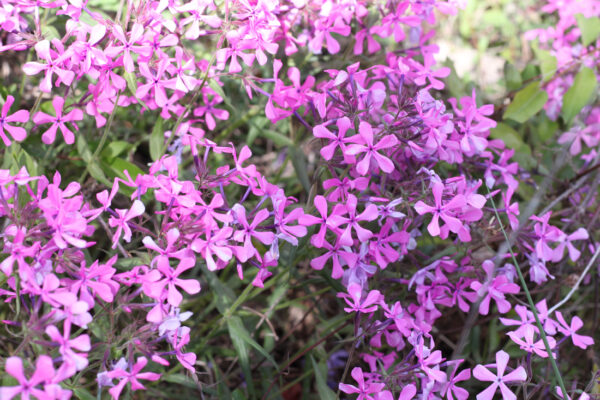
Phlox pilosa – Prairie Phlox [Photo by Sarah Mayo]
Pycnanthemum tenuifolium – Slender Mountain Mint
Ratibida pinnata – Gray-headed coneflower
Solidago flexicalus – Zigzag goldenrod
Sporobolus heterolepsis – Prairie Dropseed
Viola sororia – Common Blue Violet
Veronicastrum virginicum – Culver’s Root