

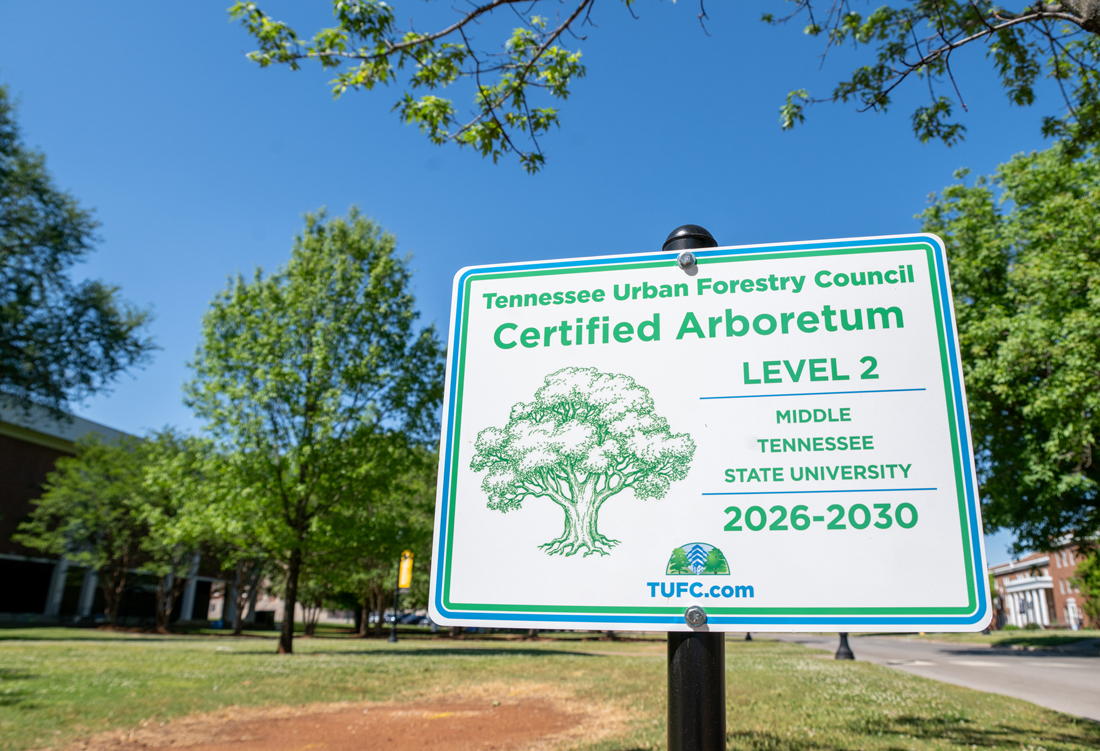
Many people may not yet realize it, but Middle Tennessee State University is now home to a level 2 certified arboretum—a collection of trees to be studied and enjoyed, a sort of living museum. Unlike most arboretums, this one sprawls across the entire university campus rather than being designated to just one small area or garden.
For students, faculty and staff, the MTSU Arboretum can turn getting to and from class into an educational walk and exploration of over 100 different tree species.

Photos by Ashleigh Newnes / The Murfreesboro Pulse
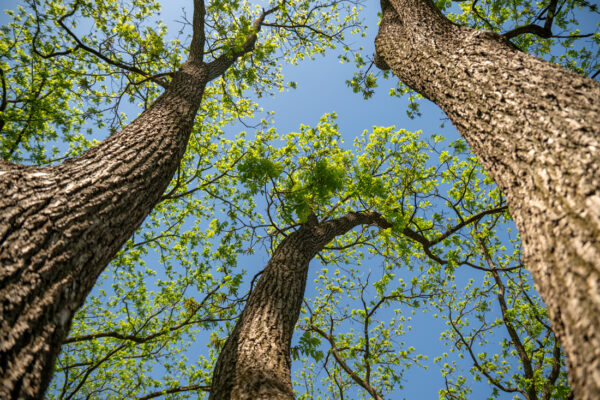
Moving through campus, visitors will find a mix of native Tennessee species like oaks, maples, elm and tulip poplars, along with a range of less common trees such as the Kentucky coffeetree and the dawn redwood, planted to increase botanical diversity.
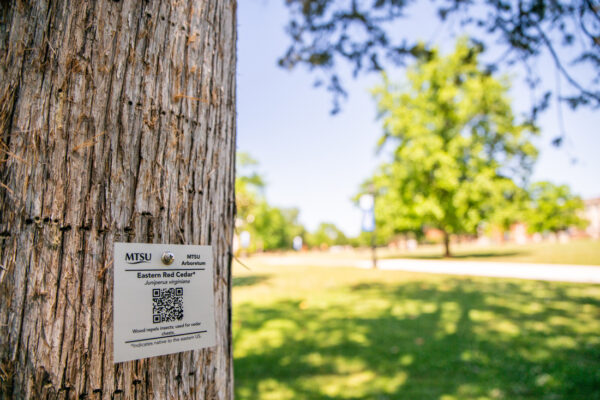
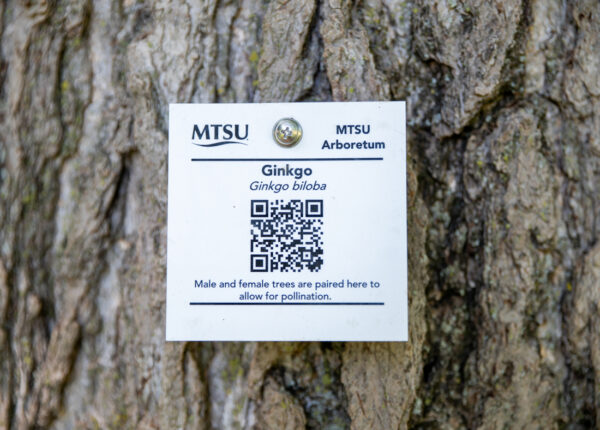
Many trees are labeled with small identification signs, offering names, basic information and a QR code for the viewer to dive a little deeper and to help turn a casual walk into a self-guided learning experience. The collection contains the common crape myrtle, black walnut, weeping willow, red cedar, yoshino cherry, hackberry, Norway spruce, pecan tree and many others.
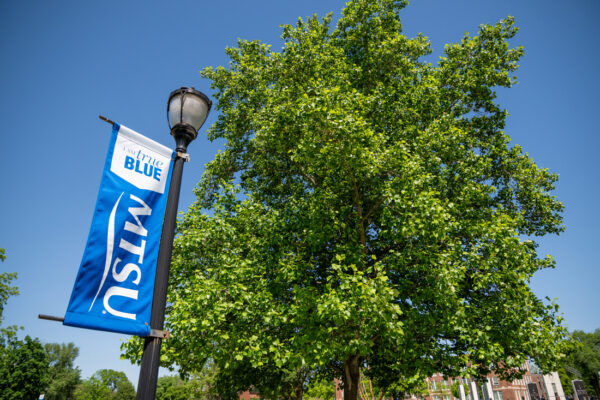
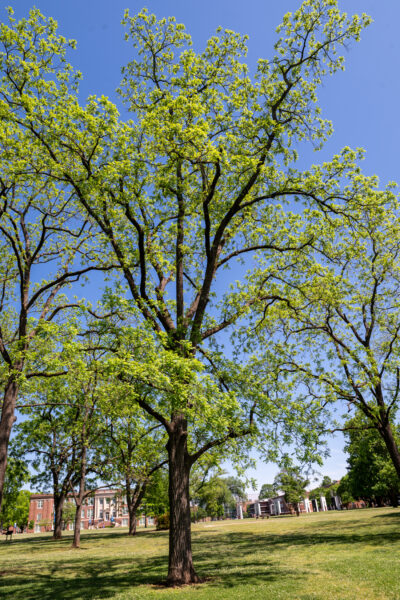
There’s no official starting point; begin at any point on campus most convenient to enter. Some of the best exploring happens along main pedestrian paths and open green areas where mature trees are concentrated. You can wander freely or take a more structured approach, using the online resources.
Visitors can explore interactive maps, tree inventories, and additional information through MTSU’s Center for Energy and Sustainability biodiversity program at ces.mtsu.edu/biodiversity. Or, find a detailed map here.

These tools make it easy to locate specific trees, plan a walking route, or identify species around campus as curiosity arises; they can be especially helpful during seasonal visits, when the appearance of a particular tree may change.
The arboretum is part of MTSU’s broader effort to support biodiversity on campus, including pollinator-friendly plantings that attract bees and butterflies throughout the warmer months.


In a fast-growing area like Murfreesboro, it offers a simple and educational way to spend time outside without needing to travel far. Whether you’re stopping by for a quick stroll or taking your time to explore tree species in detail, it’s an easy place to slow down and take a closer look at the wealth of different trees all around us.