

Part 4 in a series about data centers, power, and the grid in Middle Tennessee. What cities should learn from Memphis.
In August, around 140,000 Memphis households lost electricity, and some residents went without power for days after a major storm. The Memphis Light, Gas & Water’s president said, “It was the seventh most damaging storm in the company’s history.”
The storm made national news. What most outside Memphis have missed is the conversation about who bears the risk when a large data center shows up before the rules governing it are written.
Memphis is the clearest example in Tennessee of what happens when a huge facility arrives before local regulations can catch up.
The Fast Arrival
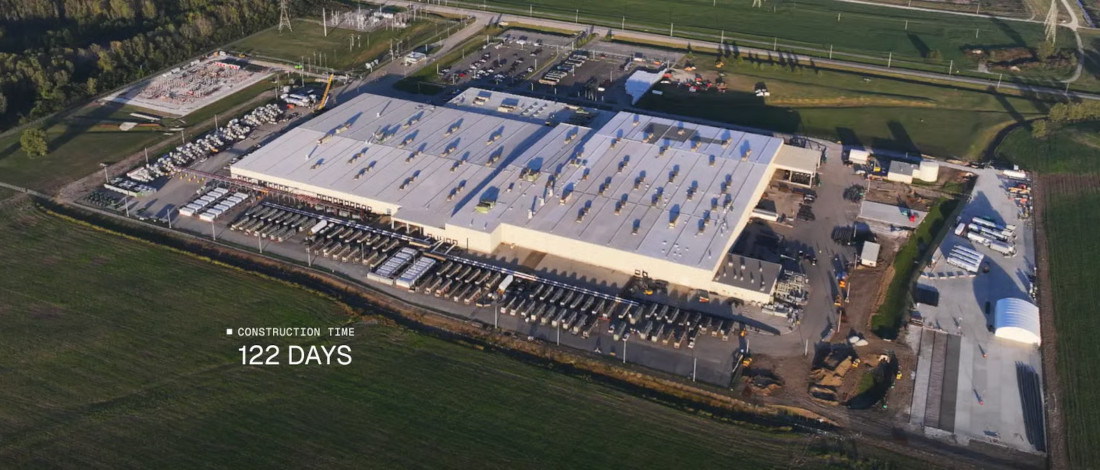
In the summer of 2024, Elon Musk’s xAI announced it would build what the Greater Memphis Chamber called a “gigafactory of compute” in South Memphis. The chamber called it the largest multi-billion-dollar investment in Memphis’s history. In just 122 days, xAI had a 100,000-GPU supercomputer, named Colossus, up and running in a former Electrolux factory near the Mississippi River. Normally, a project this size takes months or even years to complete. This was a major business achievement, and from an infrastructure perspective, it happened much faster than usual planning allows. (xAI merged into SpaceX in May 2026 and now operates as SpaceXAI. For the historical record, this column uses the name in effect at the time of each event.)
In part one of this series, I explained that one server rack running AI can use about 50 kilowatts. With 100,000 GPUs, the facility has thousands of racks. This means it always needs roughly 150 megawatts of electricity. The local grid wasn’t ready to supply that much electricity, and what xAI did next to bridge the gap made things even more complex.
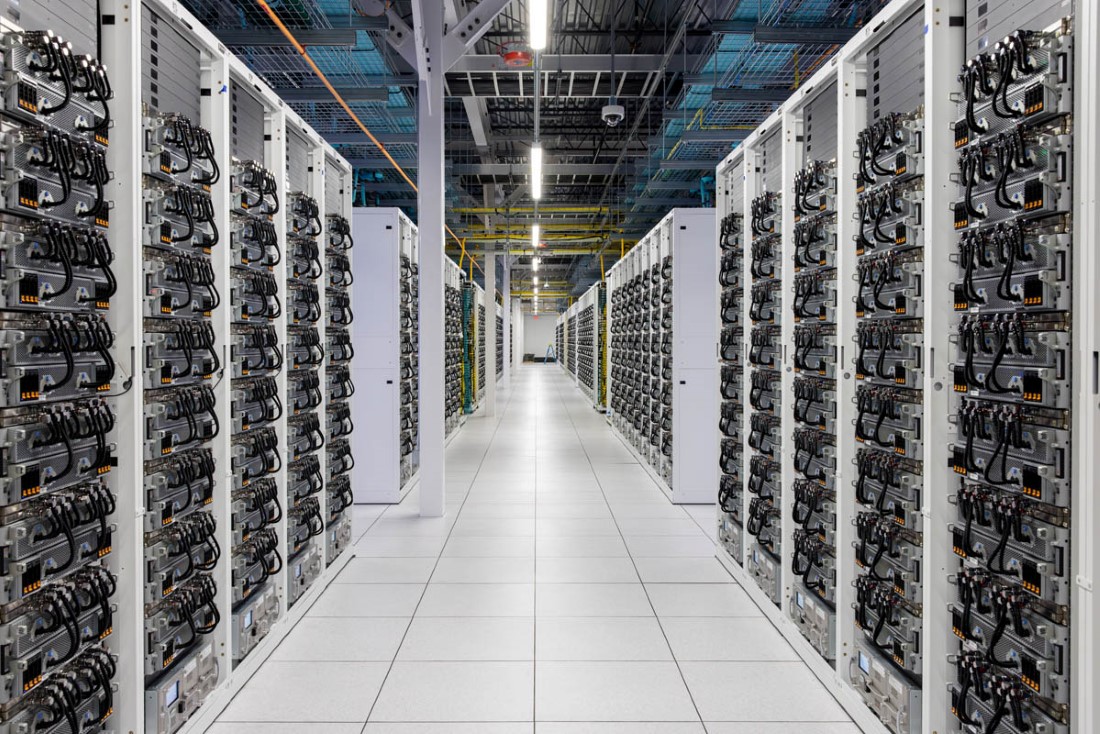
Servers inside of Colossus, photo courtesy servethehome.com
In December 2023, internal Nvidia memos reported by CNBC said that Musk told Nvidia to send 12,000 H100 GPUs to X and xAI instead of Tesla. At the time, Nvidia H100 lead times were around 8 to 11 months, but Musk’s decision skipped the wait.
Colossus was built quickly because Musk got the hardware ahead of others. When a builder doesn’t have to wait in line, a big facility can materialize sooner than local infrastructure’s ability to handle it.
Turbines Without Permits
To get Colossus operating on the schedule Musk had set, xAI installed as many as 35 mobile methane gas turbines at Boxtown, a historically black neighborhood in Memphis and one of the most polluted areas in the country.
Many of them ran without permits.
After the Southern Environmental Law Center sent a formal notice that it planned to sue under the Clean Air Act, xAI took most of the turbines away and applied for permits for the remaining ones, which were approved.
The Water Underneath
In part two of the series, I discussed how data centers use water. In Memphis, this issue is very real. xAI’s Memphis sites use about 1.3 million gallons of water each day from the Memphis Sand Aquifer. This 2,000-year-old underground reservoir provides drinking water to almost a million people in the area. The company has asked for up to 3.7 million gallons a day for both Colossus 1 and Colossus 2.
Fox13 and Protect Our Aquifer, a local Memphis group, found that xAI pays about 19 cents per hundred gallons, while regular MLGW residential customers pay about 32 cents for the same water.
Last month, xAI announced construction on a water recycling facility.
The Power Question in Memphis
In part three of this series, I talked about how data centers use electricity. Memphis shows what happens when demand grows faster than the local supply. At the time of this writing, Colossus 2 alone uses about 500 megawatts from gas turbines while permanent grid connections are still being worked out. On SpaceX’s Q2 earnings call on Aug. 4, 2026, Musk described a “tentative target” of 20 gigawatts of power and cooling capacity online by the end of 2027 across all SpaceXAI data centers.
The Southern Environmental Law Center has officially warned TVA about overcommitting to xAI’s industrial load.
If the grid runs out of power on the coldest winter day or the hottest summer day, a utility must decide who gets electricity. That risk is more real for Memphis and Middle Tennessee than many people realize.
What Memphis Is Trying Now
How Memphis ended up in this situation is only part of the story. What the city is doing about it is just as important, and I’ll cover that next month. On Aug. 18, four Memphis City Council members introduced a resolution proposing a temporary 12-month moratorium on new data center development. The proposal advanced on first reading. Other Tennessee jurisdictions have taken similar steps this year, from Metro Nashville to Knoxville and Knox County, Warren County, and others.
Memphis is where the rest of the country is watching these decisions unfold, and Middle Tennessee should be watching too.
Next month’s installment will be Memphis, Continued: the moratorium, the tax revenue, and the honest questions of what a city can and cannot reach when a data center is already running.
___
[Top photo, the Colossus facility in Memphis, courtesy xAI]