

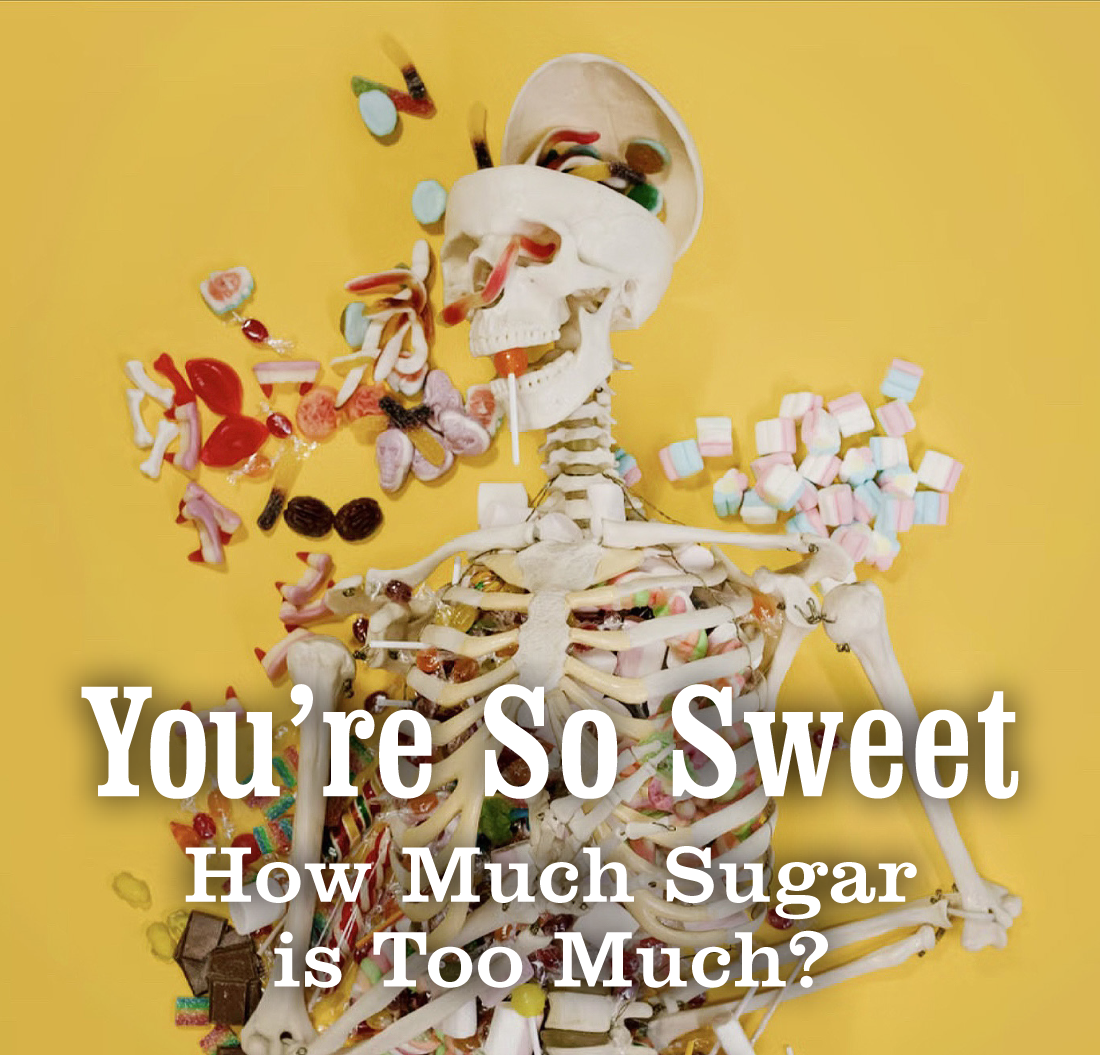
“You’re so sweet!”
It’s one of those wonderfully Southern ways we tell someone we think they’re kind, thoughtful, and just plain nice.
But there’s another kind of “sweet” worth pausing over this month: how much added sugar are we actually eating?
I was talking with a young man recently about sugar, and our conversation stuck with me. He was in his late 20s, fit, hardworking and quite knowledgeable about nutrition. Yet he was struggling with cravings for a particular cookie.
It started innocently enough. The cookies were delicious, inexpensive and had become a weekly treat. Then, weekly became “I have to have one.” Before long, he noticed he was reaching for them when he was tired, stressed or simply wanted a reward.
When he stopped buying them, he was surprised at how often he thought about them.
That’s the tricky thing about highly processed, very sweet foods. Sugar itself isn’t considered addictive in the same way as drugs, but highly palatable foods can reinforce cravings and habits—especially when we regularly use them for comfort, energy or reward.
And why does any of this matter? Consuming too much added sugar over time can contribute to weight gain and increase the risk of health problems such as type 2 diabetes and heart disease. It can also contribute to dental cavities, and frequent large amounts of added sugar can make it harder to maintain steady energy and a balanced diet. Our bodies need carbohydrates for energy, but they don’t need large amounts of added sugar to function well.
And sugar can be surprisingly sneaky.
We all recognize the obvious suspects: cookies, candy, cakes, pies and ice cream. But added sugar can also show up in foods we think of as everyday or even healthy choices:
• Flavored coffee creamers
• Sweetened yogurt
• Protein bars
• Granola and breakfast cereals
• Salad dressings and sauces
• Flavored oatmeal
• Bottled smoothies and sweetened drinks
That little splash of creamer in your morning coffee, the strawberry yogurt you love and the protein bar that tastes suspiciously like a candy bar can all contribute to your daily sugar intake.
So, should we give up sugar?
Absolutely not.
Food should be enjoyable, and there is room for treats in a healthy lifestyle.
The goal is awareness—not perfection.
A Few Sweet Ideas to Try
– Become a label detective.
Look at the Nutrition Facts label and check the Added Sugars line. It can be eye-opening to see how quickly small amounts from several foods can add up.
– Notice your “why.”
Before reaching for something sweet, ask yourself: Am I hungry, tired, stressed, bored—or simply wanting a treat? There’s nothing wrong with wanting a treat. Knowing why you want it gives you a choice.
– Choose naturally sweet foods more often.
Fruit, plain yogurt with berries or an apple with nut butter can satisfy a sweet tooth while adding fiber and other nutrients.
– Don’t get overly hungry.
Regular meals containing protein, fiber and healthy fats can help keep you satisfied and make those afternoon cravings a little easier to manage.
– Make treats intentional.
If you want the cookie, have the cookie! Take a reasonable portion, sit down and enjoy it. Savoring something is very different from eating half a package without realizing it.
– Try a “sweet pause.”
For one week, don’t try to eliminate sugar. Just notice it.
Read the labels. Notice when cravings appear. Pay attention to what you were feeling right before the craving—and how you feel afterward.
You may discover that your body isn’t always asking for sugar. Sometimes it’s asking for sleep, a nourishing meal, a little movement, a glass of water or even a hug!
And if you want reliable nutrition information or personalized support, there are excellent medical resources right here in Middle Tennessee. A number of independent nutritionists can help with meal planning and nutrition services. Ascension Saint Thomas Rutherford offers nutrition counseling and education, including support for diabetes and prediabetes. Vanderbilt University Medical Center also offers registered dietitian and nutrition services, along with specialized care through its diabetes, endocrinology and metabolic health programs.
If you have diabetes, prediabetes or another medical condition affected by blood sugar, talk with your healthcare provider or a registered dietitian about what’s right for you.
Come October and Halloween, I’m not giving up my candy corn. After all, what’s Halloween without a little candy?
I’m just going to pause, take a small cupful, enjoy every bite—and share the bag with another candy corn-loving friend. Because wellness isn’t about taking the joy out of life.
If you know me by now, you’ll know I’m all about sustainability and living a life you love! It’s about enjoying the sweet things intentionally—and knowing when enough is enough.