

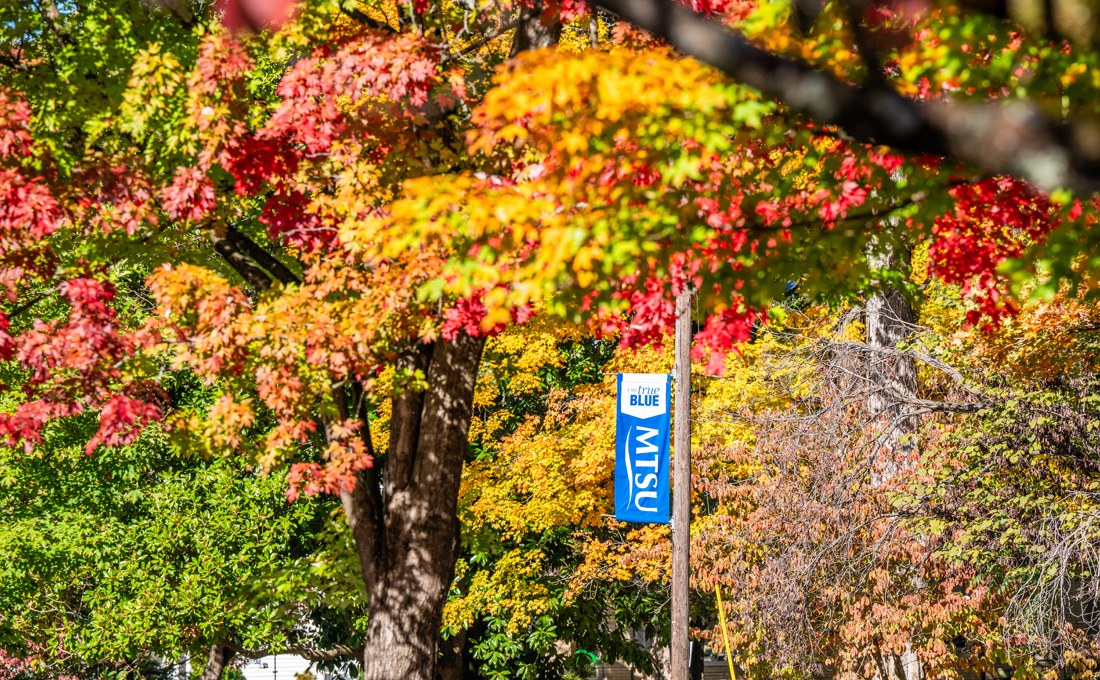
Along with pumpkin spice lattes, spooky season and sweater weather, fall leaves are another favorite part of autumn for many. From scenic drives to peaceful walks outdoors, the changing leaves bring beautiful shades of red, orange and gold to the landscape.
But have you ever wondered what causes this colorful transformation?
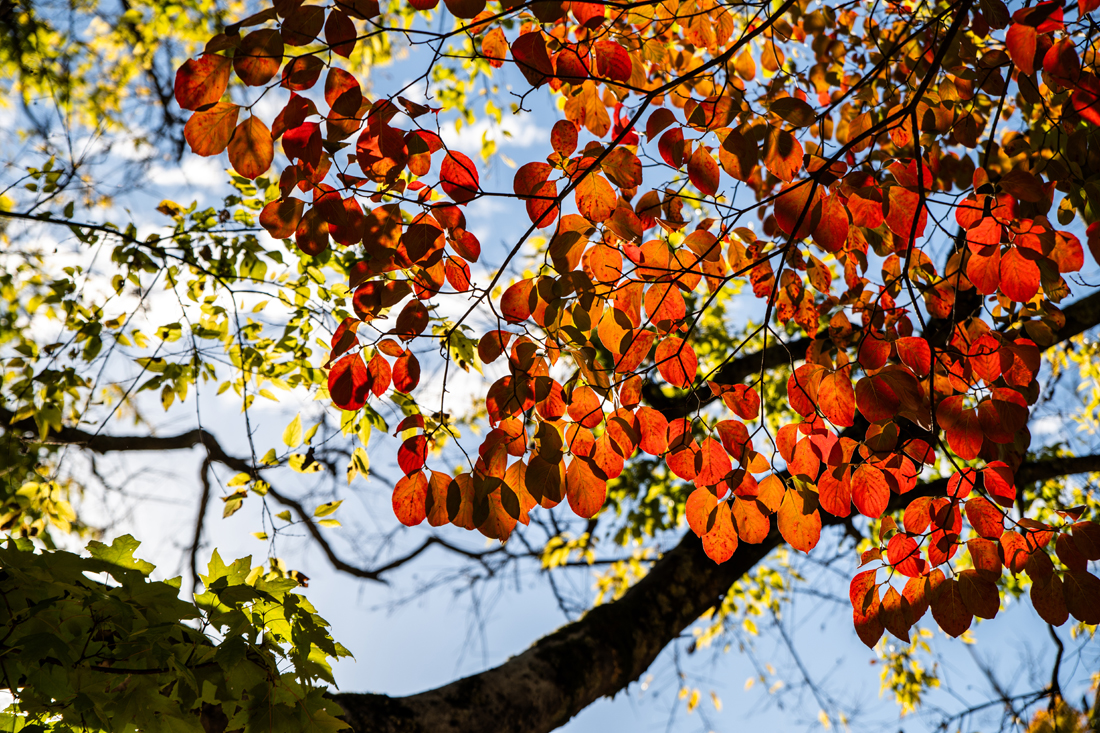
During spring and summer, leaves stay green because of chlorophyll, a pigment that helps trees turn sunlight into food. As the days grow shorter and temperatures cool, chlorophyll breaks down, allowing yellow and orange pigments to show through.
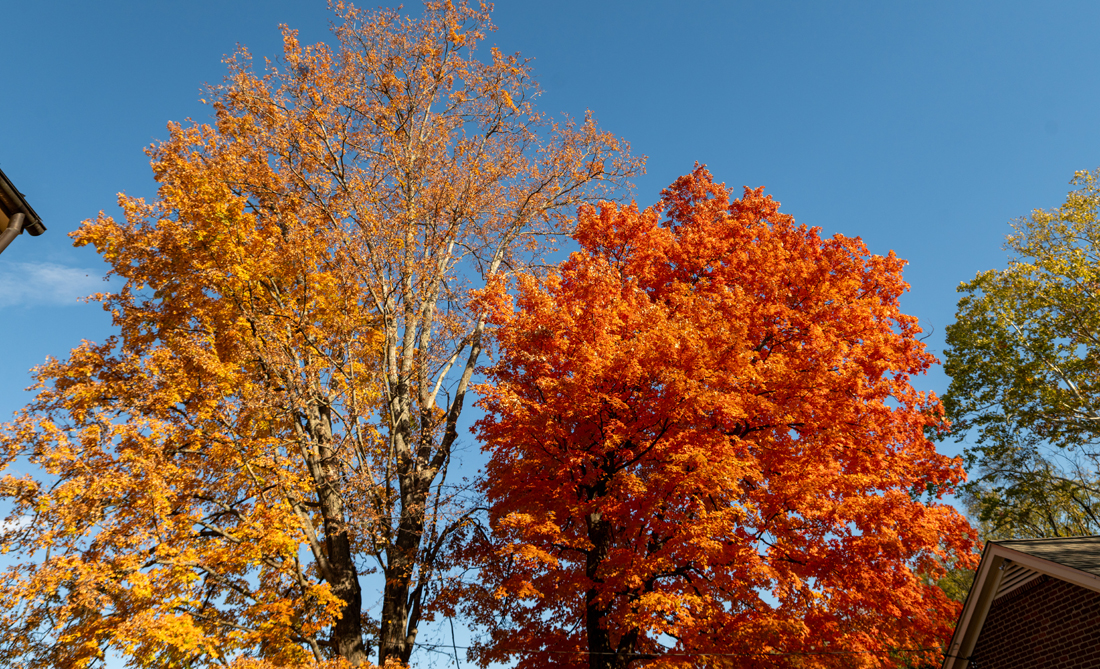
Photos by Ashleigh Newnes
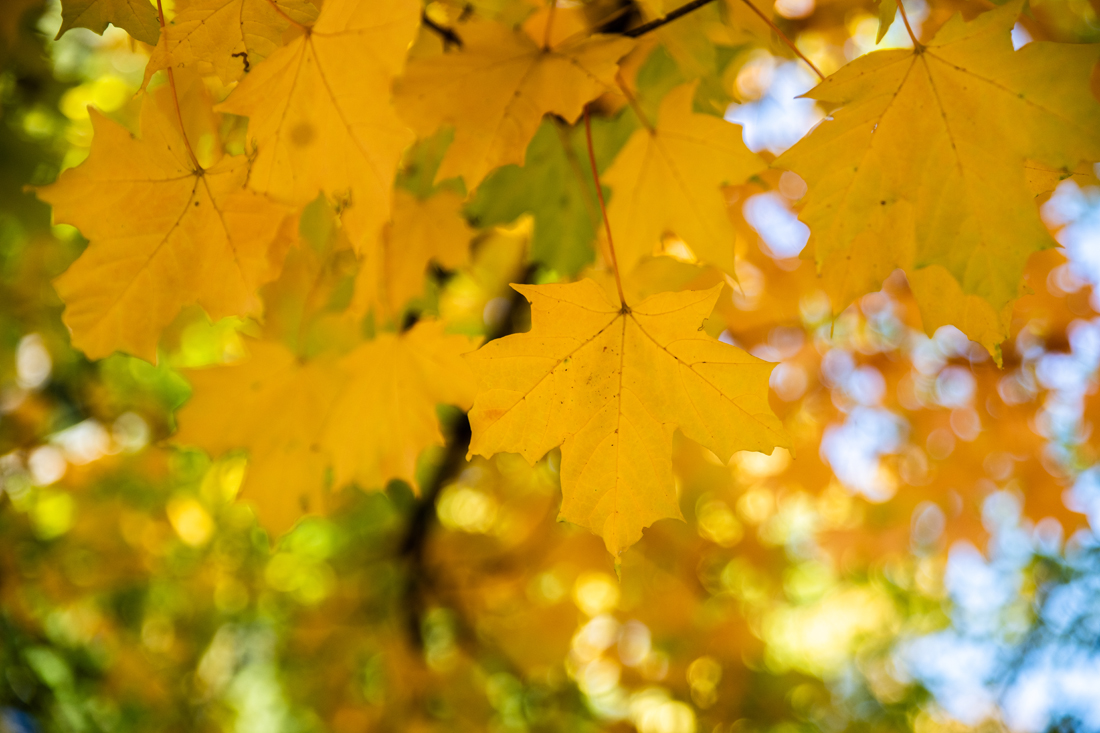
Some trees also produce red pigments, creating the vibrant shades we associate with fall.
Weather plays a big role in how vibrant fall colors become. Sunny days and cool nights can help produce brighter colors, while dry conditions may cause leaves to turn brown or fall earlier than usual. Because weather varies from year to year, no two fall seasons look exactly alike.
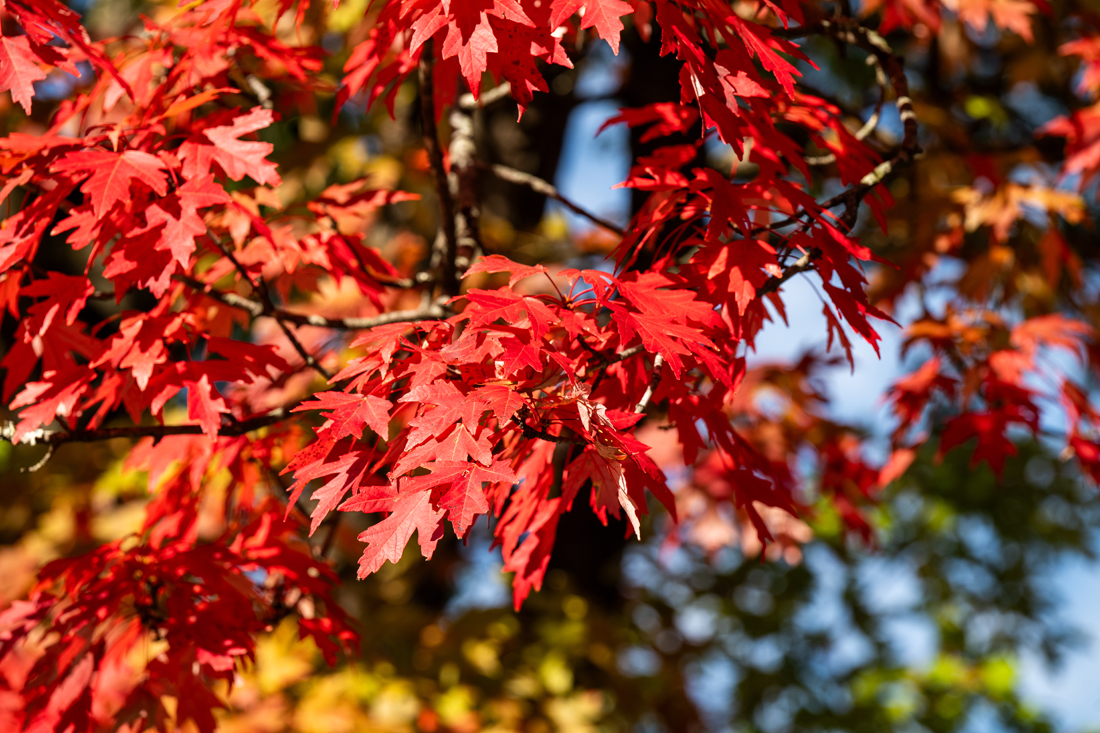
As winter approaches, deciduous trees reclaim some of the nutrients stored in their leaves before they fall.
And once on the ground, fallen leaves play an important role in the ecosystem. They provide shelter for insects and other small wildlife, while decomposing leaves return nutrients to the soil that help support future plant growth.
From Tennessee’s tree-lined streets to forests across the country, fall foliage offers a chance to enjoy nature’s changing colors.
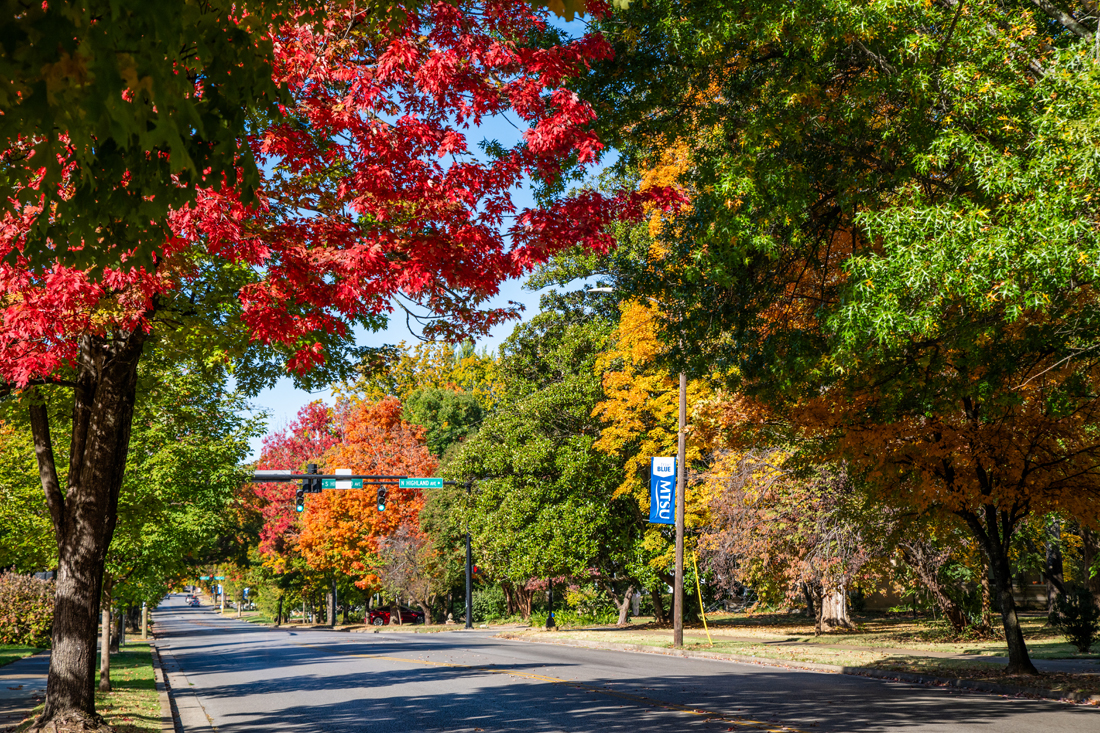
Murfreesboro residents can experience the seasonal beauty close to home, in parks and neighborhoods all over town, while the same fascinating process unfolds in different landscapes throughout the United States.
From bright yellow sweetgums to red maples, the colors of fall bring a welcome change to the landscape before the trees shed their leaves for winter.