

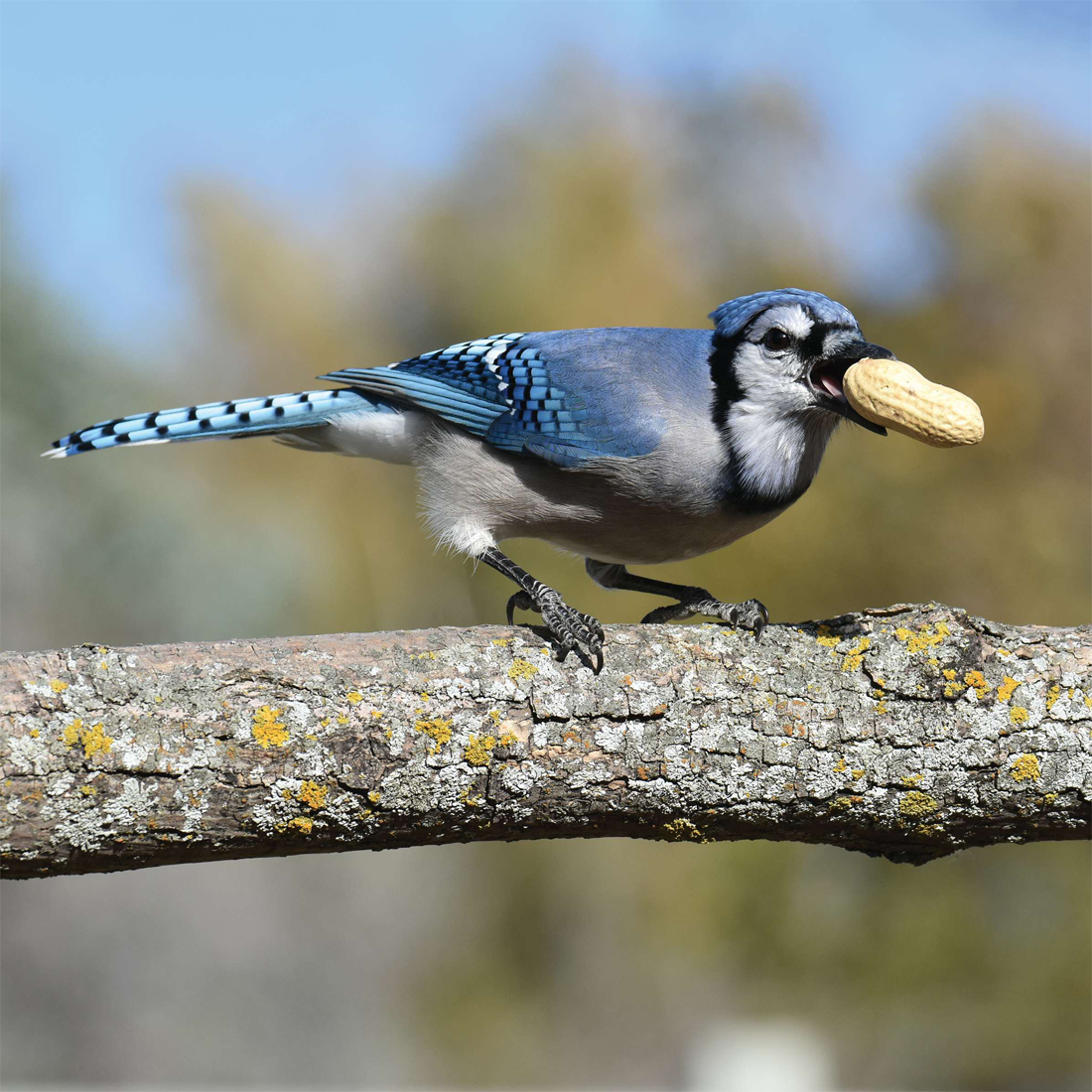
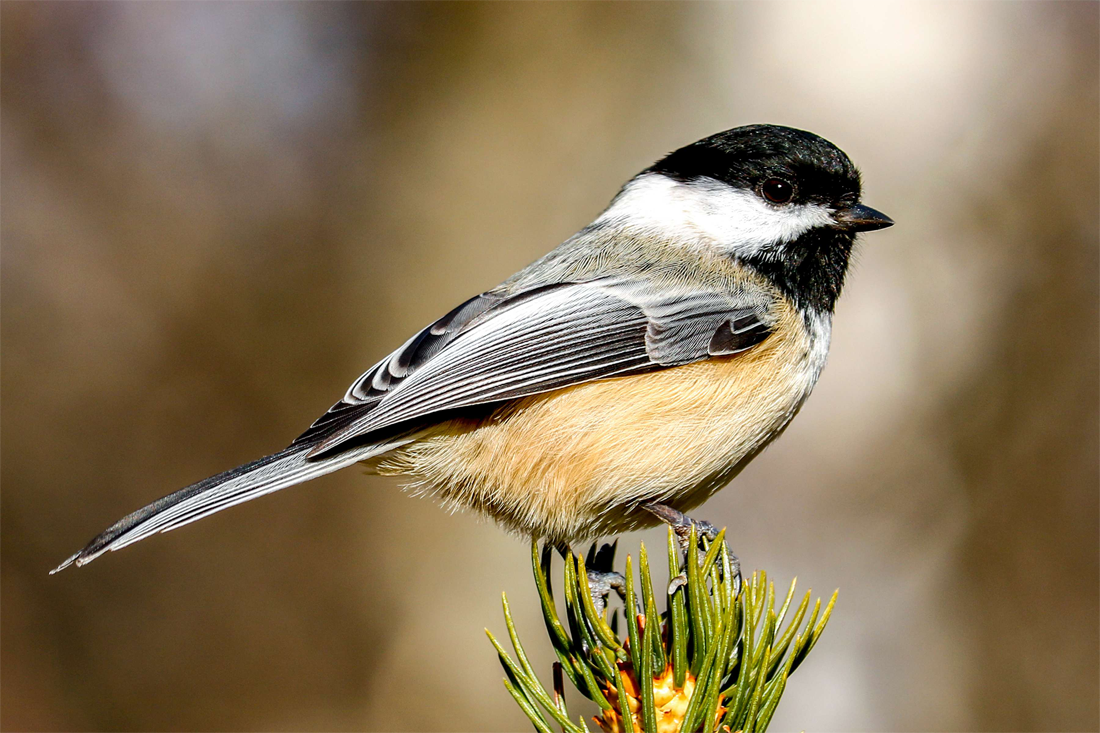
In the fall, chickadees, nuthatches, titmice, and jays begin hiding food to retrieve and eat later in the season. This behavior is called “caching.” And these birds remember, very accurately, where they stash each morsel.
“Most of these feeder birds can have anywhere from hundreds to thousands of separate caches scattered around their home ranges,” according to information from Jeff and Joann Royer, owners of the Murfreesboro Wild Birds Unlimited. “In a behavior known as scatter-hoarding, each seed collected is individually hidden in a unique location. Common storage sites include under tree bark, dead leaves, clusters of conifer needles, in knotholes and even under house siding and shingles.”
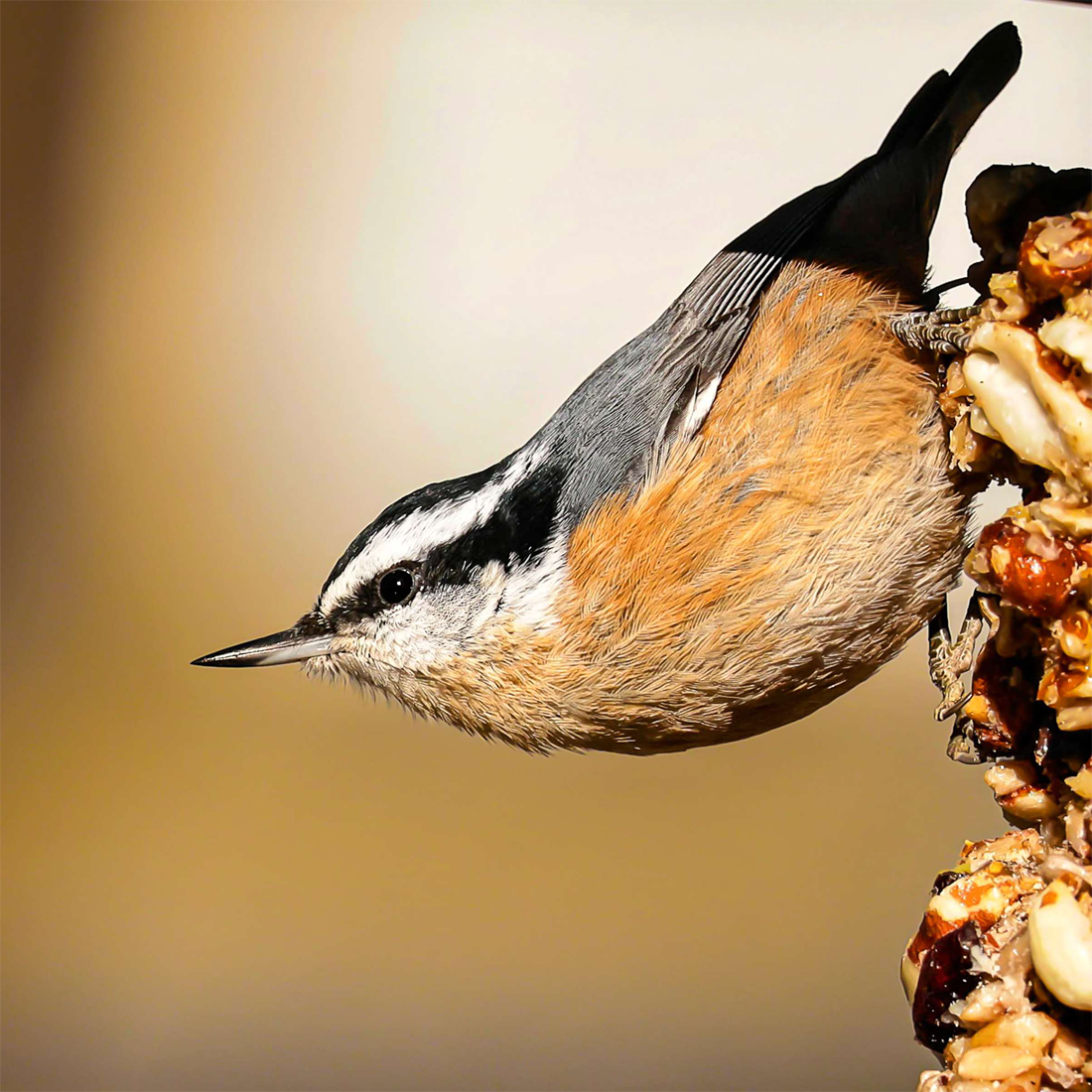
Peak caching time is typically from September to December, with up to 200 feeder visits per bird per day.
“You can help with their caching needs by keeping your feeders filled with their favorite foods high in protein and fat,” the Royers advise. “By offering blends with sunflower seeds, peanuts, and tree nuts you can help birds reduce stress in the colder months.”
Now that fall is here, birds are starting to prepare for winter, among other survival strategies. Once winter sets in, it pays to have food “squirreled” away instead of competing for an unreliable or scarce source. So, next time you are watching the birds, keep an eye out for these expert caching strategists.
To learn more about bird feeding in the fall, visit the backyard bird feeding specialists at Murfreesboro’s Wild Birds Unlimited, located at 2615 Medical Center Pkwy., Suite 1060; visit WBU’s website at wbu.com/murfreesboro and shop online at mywbu.com/murfreesboro.